Subtotal $0.00
Evidence-Based Medical Treatment Protocols for COVID-19
Comprehensive Inpatient, Outpatient, and Critical Care Management Strategies



Breathe Hospital, Khammam is committed to delivering advanced chest care, critical care, and multispecialty healthcare with compassion and clinical excellence.
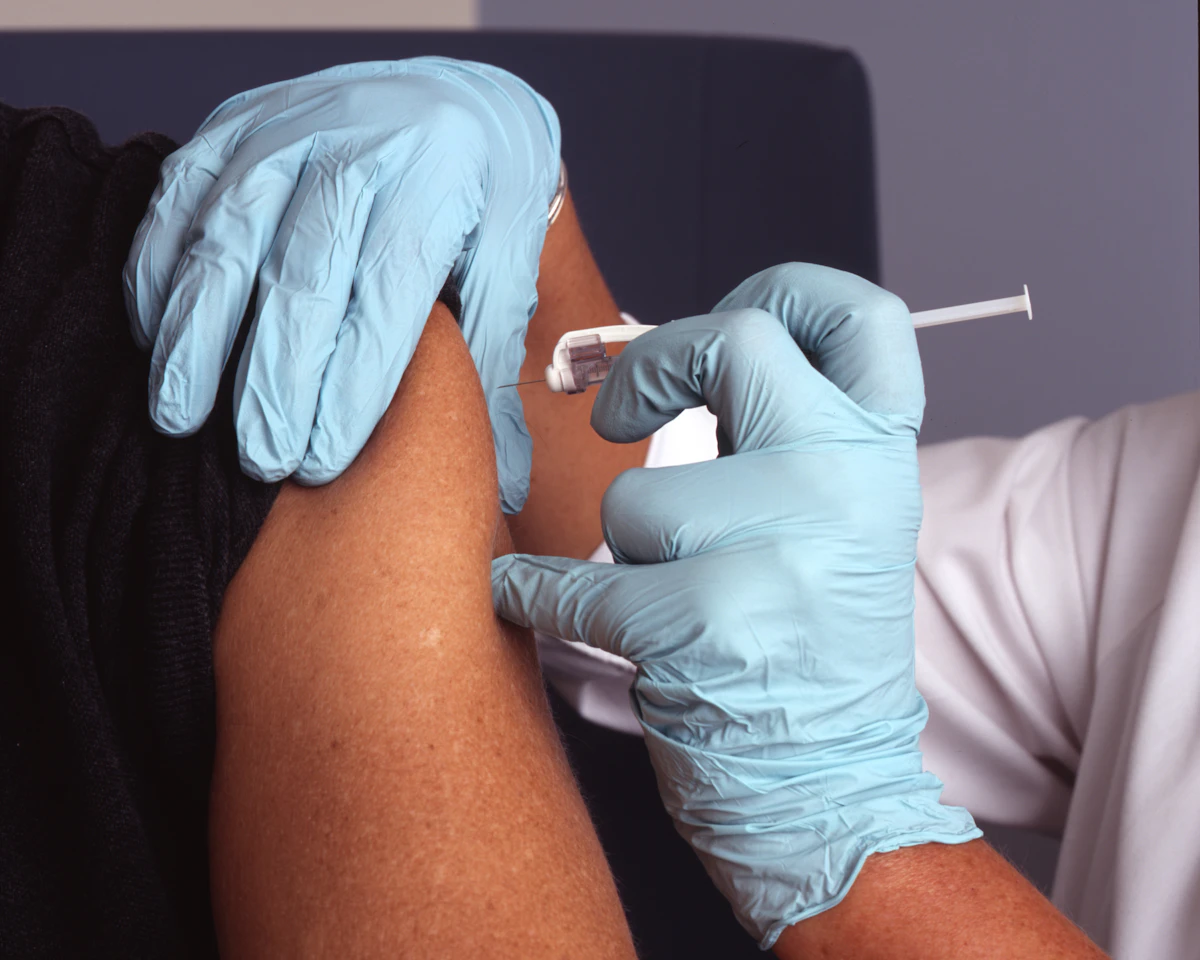
With over 15 years of specialized clinical practice in pulmonology and critical care medicine, I have witnessed the evolving landscape of respiratory viral infections, none more significant than SARS-CoV-2 (COVID-19). At Breathe Hospital in Khammam, our medical protocols are grounded in rigorous clinical evidence, aligning with guidelines established by national and international health organizations including the ICMR, WHO, and AIIMS. COVID-19 manifests across a broad spectrum of clinical severity—ranging from mild upper respiratory illness to severe viral pneumonia and Acute Respiratory Distress Syndrome (ARDS).
The fundamental strategy at Breathe Hospital involves early risk-stratification, prompt anti-inflammatory and immunomodulatory interventions when indicated, precise oxygenation management, and vigilant post-viral follow-up. By integrating modern clinical technology with specialized pulmonology care, our medical team delivers tailored therapeutic interventions designed to prevent disease progression and ensure full pulmonary restoration.
Accurate assessment upon arrival at Breathe Hospital determines whether a patient requires home isolation with tele-monitoring, step-down high-dependency unit (HDU) care, or immediate Respiratory Intensive Care Unit (RICU) admission.
Characterized by fever, cough, sore throat, loss of taste/smell, and SpO2 levels maintained at ≥94% on room air without signs of respiratory distress or significant lung parenchymal involvement.
Indicated by dyspnea, respiratory rate >30 breaths/min, SpO2 <90% on room air, or High-Resolution CT (HRCT) demonstrating extensive bilateral ground-glass opacities and lung involvement.
Pharmacological therapy is strictly tailored to the phase of infection—the early viral replication phase versus the late hyper-inflammatory pulmonary phase. Unregulated use of medications is avoided to prevent adverse reactions and opportunistic secondary infections.
| Disease Severity | Clinical Criteria | Primary Pharmacotherapy | Supportive & Oxygenation Care |
|---|---|---|---|
| Mild COVID-19 | SpO2 ≥ 94%, no shortness of breath, mild constitutional symptoms. | Symptomatic care (Paracetamol), hydration, inhaled Budesonide if cough persists. Targeted antiviral agents for high-risk elderly/co-morbid patients. | Home isolation monitoring, pulse oximetry, proning guidance, balanced nutrition. |
| Moderate COVID-19 | SpO2 90% – 93% on room air, presence of pneumonia on imaging. | Systemic Corticosteroids (e.g., Dexamethasone or Methylprednisolone), Low-Molecular-Weight Heparin (LMWH) for thromboprophylaxis. | Targeted Low-Flow Oxygen Therapy via nasal cannula or simple face mask (target SpO2 92-95%). Awake self-proning. |
| Severe COVID-19 | SpO2 < 90%, respiratory distress, severe bilateral lung infiltrates. | Optimized systemic corticosteroids, therapeutic anticoagulation, immunomodulators (e.g., Tocilizumab/Baricitinib for hyper-inflammation). | High-Flow Nasal Cannula (HFNC), Non-Invasive Ventilation (NIV), or invasive mechanical ventilation in RICU. |
A major complication observed in severe COVID-19 pneumonia is the immune-mediated hyper-inflammatory reaction, often referred to as a cytokine storm. This stage typically manifests between day 7 and day 12 of disease onset and requires expert pulmonology intervention to prevent permanent pulmonary fibrosis or acute respiratory failure.
At Breathe Hospital, patients with moderate-to-severe symptoms undergo serial biomarker evaluations including C-Reactive Protein (CRP), Serum Ferritin, D-Dimer, and Interleukin-6 (IL-6). Rapid escalation in these inflammatory markers guides our medical board in precisely timing immunomodulatory therapies while maintaining strict vigilance against secondary bacterial or fungal superinfections.
Breathe Hospital provides comprehensive infrastructure to handle complex viral pneumonias and post-infection pulmonary sequelae in the Khammam region:
Recovery does not end upon viral clearance. Patients experiencing "Long COVID" symptoms such as lingering exertional breathlessness, fatigue, or persistent chest heaviness are enrolled in our tailored rehabilitation clinic. Treatment includes incentive spirometry, graded exercise therapy, pulmonary function testing (PFT), and targeted anti-fibrotic therapies when indicated.
Early recognition of deteriorating symptoms—particularly insidious "silent hypoxia" where blood oxygen levels drop without immediate perceived discomfort—is critical to achieving favorable clinical outcomes. With 15 years of dedicated pulmonary care experience, my primary advice to families in Khammam is to seek medical evaluation at the earliest sign of persistent fever or breathlessness rather than resorting to unverified self-medication.