Subtotal $0.00



Breathe Hospital, Khammam is committed to delivering advanced chest care, critical care, and multispecialty healthcare with compassion and clinical excellence.

Comprehensive evaluation and respiratory care for people living with HIV who develop infections, inflammation, respiratory symptoms or other lung-related complications.
Respiratory evaluation
Clinical & laboratory assessment
Individualized treatment
Respect & confidentiality
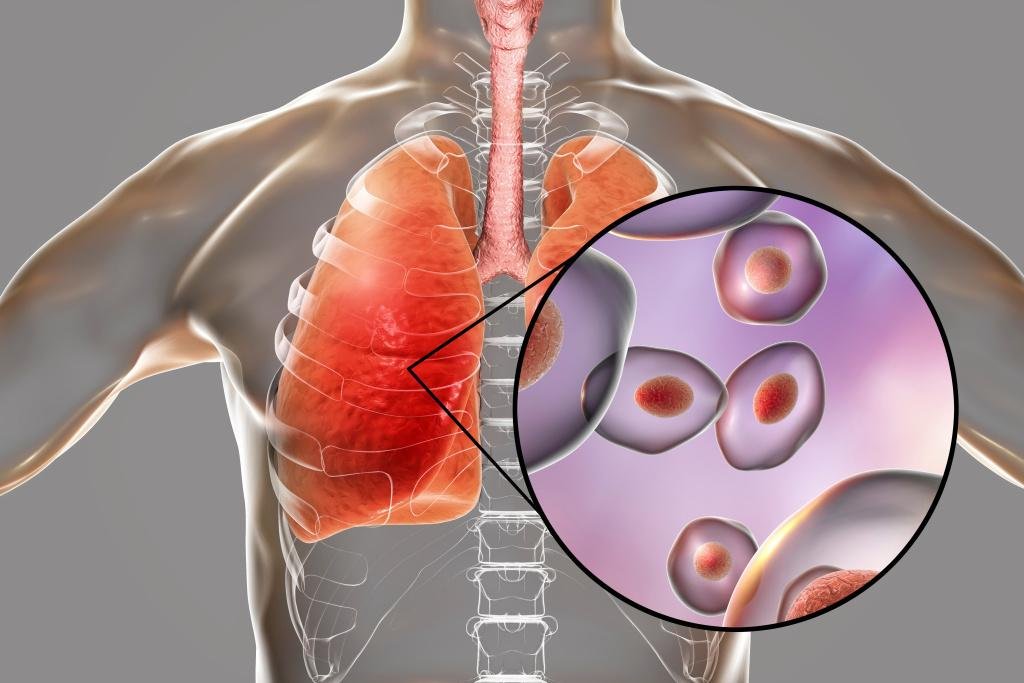
HIV affects the immune system. When immune function is weakened, a person may become more vulnerable to infections and other conditions affecting the lungs. Modern HIV treatment has substantially changed the pattern of HIV-associated lung disease, but pulmonary complications can still occur and require careful clinical evaluation.
HIV-associated lung disease can include opportunistic infections such as Pneumocystis pneumonia, tuberculosis, bacterial pneumonia and fungal infections, as well as certain inflammatory, chronic respiratory and malignant conditions.
Different pulmonary conditions can occur depending on immune status, infections, smoking exposure, age, co-existing illnesses and other individual factors.
Pneumocystis jirovecii pneumonia, commonly abbreviated PJP, is an important opportunistic pulmonary infection that can occur in people with significant immune suppression. It may cause progressive breathlessness, dry cough, fever and reduced oxygen levels.
Tuberculosis remains an important consideration in people living with HIV. Pulmonary or disseminated TB can present differently depending on the degree of immune suppression and requires appropriate testing and treatment.
Bacterial respiratory infections can cause fever, cough, sputum production, chest discomfort and breathing difficulty. Prompt assessment helps guide appropriate antimicrobial treatment.
Certain fungal infections may occur more readily when immune function is severely impaired. Diagnosis may require targeted laboratory testing, imaging or specialist evaluation.
People living with HIV can also develop chronic respiratory conditions such as COPD, asthma and other long-term pulmonary problems.
Certain cancers, including Kaposi sarcoma and lymphomas, may involve the lungs or chest and require coordinated specialist assessment.
A combination of clinical examination, laboratory testing and appropriate imaging may be required to determine the cause of respiratory symptoms.
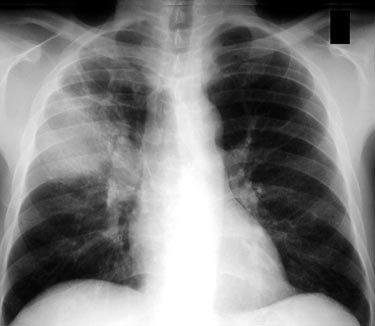
Chest X-ray or CT imaging may help identify pneumonia, tuberculosis, inflammatory changes, nodules, lymph-node enlargement or other abnormalities. Imaging findings must always be interpreted together with clinical information and laboratory results.
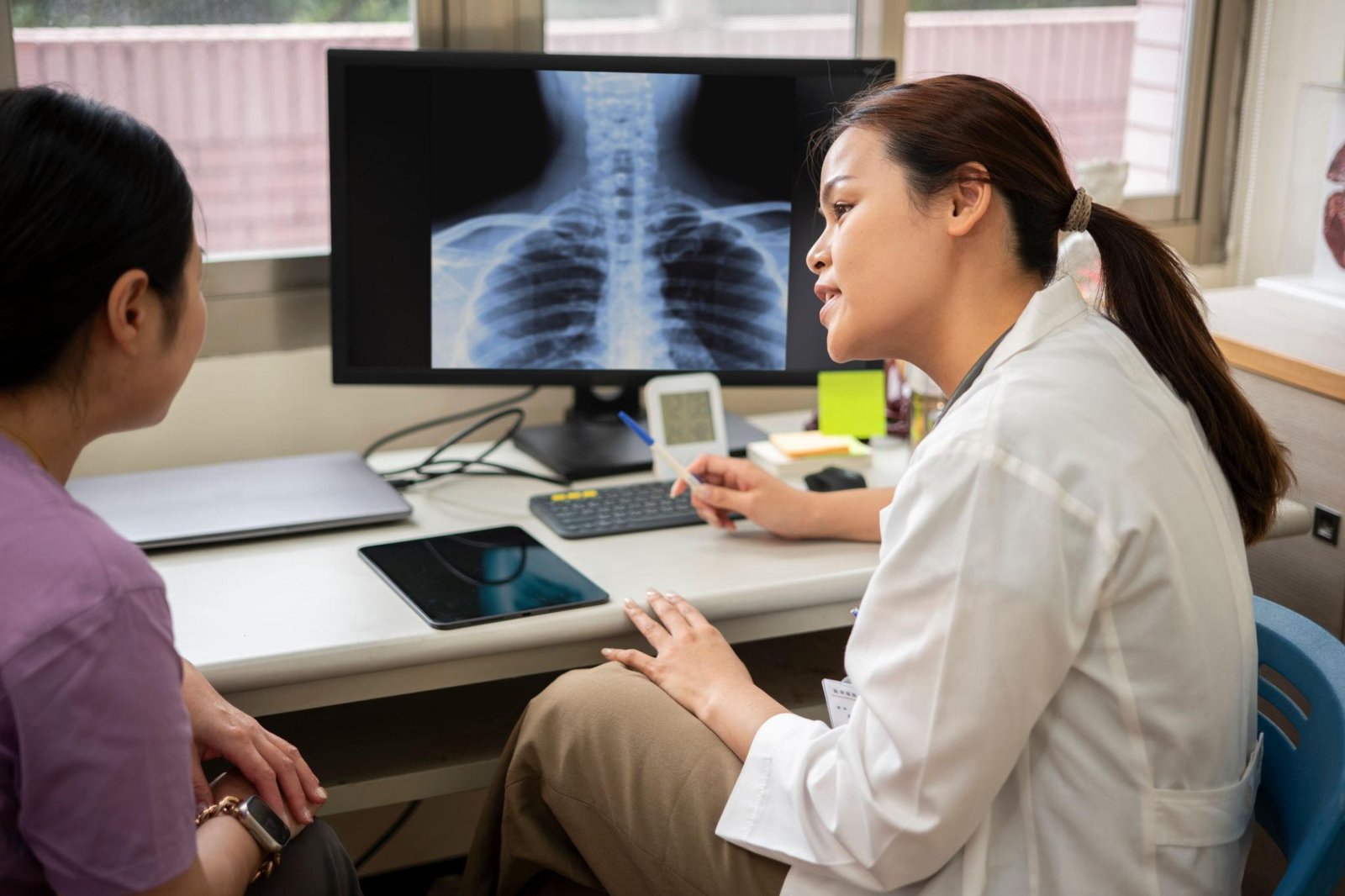
A detailed medical history and respiratory examination can help doctors determine whether symptoms are related to infection, chronic lung disease, medication effects, malignancy or another underlying problem.
Persistent or worsening respiratory symptoms should be assessed, particularly when a person has HIV or another condition affecting immune function.
Diagnosis is individualized and depends on symptoms, immune status, previous medical history and suspected pulmonary condition.
Doctors review respiratory symptoms, duration of illness, previous infections, HIV treatment history, other medical conditions, medication use and relevant exposure risks.
Respiratory rate, oxygen saturation, temperature, heart rate and chest examination may help assess the severity of illness.
Depending on the clinical setting, HIV-related assessment may include CD4 count, viral load and review of antiretroviral therapy.
Blood tests, sputum examination, microbiological testing and other targeted investigations may be required to identify the infectious cause.
Chest X-ray or CT may be used to evaluate pulmonary infiltrates, nodules, lymphadenopathy, cavitation, effusions or other abnormalities.
In selected patients, bronchoscopy and respiratory sampling may be considered when a diagnosis remains unclear or specific airway/lung testing is needed.
Treatment depends on the specific lung disease, severity of illness, immune status and the patient's existing HIV treatment plan.
Effective antiretroviral therapy is central to HIV management. Maintaining viral suppression and improving immune function can reduce the risk of many HIV-associated complications.
When TB is diagnosed or strongly suspected, an appropriate anti-tuberculosis treatment regimen is selected according to the patient's clinical and microbiological findings, drug susceptibility and other treatment considerations.
PJP requires condition-specific antimicrobial treatment. Patients with significant oxygen impairment may also require additional supportive treatment under medical supervision.
Confirmed fungal pulmonary infections require appropriate antifungal therapy selected according to the organism, disease severity, site of infection, immune status and potential drug interactions.
Bacterial pneumonia and other bacterial infections are treated with appropriate antimicrobial therapy based on clinical assessment and, where appropriate, microbiological testing.
Patients with significant breathing difficulty or low oxygen levels may require oxygen therapy, inhaled treatments, monitoring or other supportive respiratory care.
HIV-associated pulmonary care often requires coordination between respiratory and HIV-focused medical management.
The first priority is to determine whether symptoms are caused by an opportunistic infection, common respiratory infection, chronic lung disease, malignancy or another medical condition.
Clinical findings are combined with laboratory testing, microbiology, imaging and other investigations when required.
Treatment is selected according to the diagnosed condition, severity, immune status, medications, allergies and other individual factors.
Antiretroviral therapy and adherence are reviewed as part of comprehensive HIV care. Medication interactions and timing may need careful consideration when treating infections.
Clinical response, oxygenation, laboratory findings and other relevant parameters are monitored according to the illness and treatment.
Continued HIV care, respiratory follow-up, medication adherence, vaccination planning, smoking cessation and management of other risk factors can support long-term lung health.
Long-term respiratory health requires regular medical care and attention to preventable risk factors.
Take prescribed antiretroviral medicines consistently and attend scheduled medical appointments.
Smoking can increase respiratory complications. Professional support for smoking cessation can be beneficial.
Appropriate vaccinations and infection-prevention strategies should be discussed with the treating medical team.
Regular clinical review helps identify changes in respiratory health early and supports continuity of HIV care.
Appropriate nutrition, physical activity, adequate rest and management of other medical conditions can support overall health.
Inform your doctor about all medicines and supplements because interactions can affect HIV and lung disease treatment.
Some respiratory symptoms can indicate a serious infection or significant breathing problem.
Severe or rapidly worsening breathlessness, chest pain, coughing up significant amounts of blood, bluish lips or fingertips, confusion, fainting, severe weakness, very low oxygen levels or any sudden deterioration should receive urgent medical assessment.
People living with HIV deserve respectful, confidential and compassionate healthcare. At Breathe Hospital, the goal of respiratory evaluation is to understand the medical problem and provide appropriate treatment without stigma or judgment.
Patients are encouraged to discuss respiratory symptoms openly with their healthcare team. Honest communication about HIV treatment, medications and previous infections helps doctors make safer and more informed treatment decisions.
If you or a loved one living with HIV develops persistent cough, fever, breathlessness, chest discomfort or other respiratory symptoms, timely medical evaluation can help identify the cause and guide appropriate treatment.